
Overview
Muscle recovery and sports performance with red light have become increasingly popular within the health and wellness world. Red light therapy is an innovative method that uses specific wavelengths of red and near-infrared light to support the body at the cellular level. This process stimulates the mitochondria, the cell's power plants, leading to increased production of ATP – the fuel for cell repair and energy.
For athletes and active people, red light therapy can be a valuable tool to Reduce muscle pain, it muscle recovery to speed up and therefore the sports performance to improve. Due to improved blood flow and reduction of inflammation, this therapy contributes to faster recovery after intensive training.
“Red light therapy not only supports recovery, but also helps to perform sustainably without long-term muscle complaints.”
In this blog we discuss what exactly happens during muscle recovery after exercise, the difference between red light and infrared, the best timing for use around training, and practical guidelines for duration, distance and frequency of therapy.

Muscle recovery: what happens after training
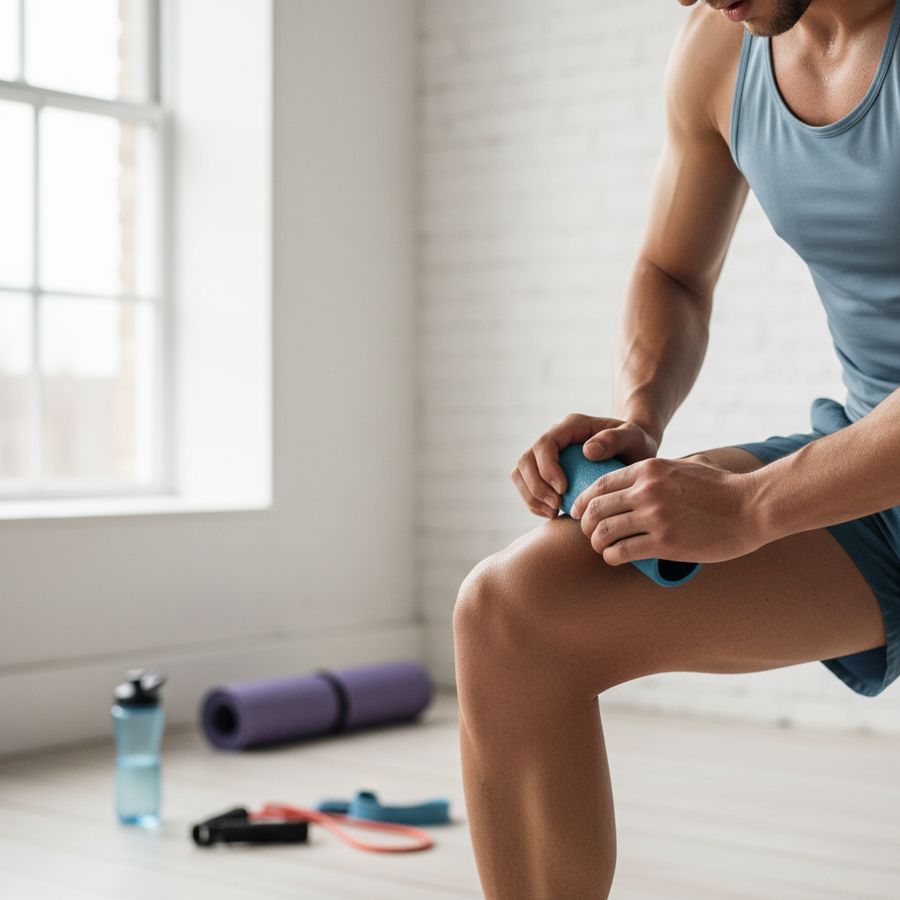
After intensive training, microscopic damage occurs in muscle fibers. This leads to muscle pain and fatigue, which is a natural part of it muscle recovery. During this process, the body works to repair damaged muscle cells and strengthen muscle tissue.
An important aspect of muscle recovery is the increase in blood circulation. This ensures a better supply of oxygen and nutrients to the muscles and the faster removal of waste products such as lactic acid. In addition, anti-inflammatory processes play a crucial role in reducing swelling and pain.
Red light therapy can support these natural recovery processes by activating the mitochondria in the cells. This increases energy production and stimulates cell regeneration, resulting in faster and more efficient recovery.
“By stimulating cell energy and blood circulation, red light therapy helps reduce muscle pain and speed up the recovery process.”
Red light vs infrared: when to use what
Although red light and infrared light are often mentioned together, they have different properties and applications. Red light therapy works with wavelengths that mainly reach the skin and superficial tissues. It stimulates cell functions and promotes skin health and the recovery of superficial muscles.
Infrared light penetrates deeper into the body and warms the underlying muscles and joints. This makes it particularly suitable for relieving deep muscle pain and tension and stimulating blood circulation in deeper tissues.
For improving muscle recovery and reducing muscle pain After training, a combination of both forms can be effective. Red light supports cell recovery, while infrared helps with relaxation and blood circulation.
-
Use red light for superficial tissues and skin repair.
-
Use infrared for deep muscle pain and stiff muscles.
-
Combinations often offer the best results for athletes.
Timing around your training: before or after exercise
The question of whether red light therapy is better before or after exercise is important for optimal results. Before training, a short session can help increase blood flow and prepare muscles, potentially preventing injuries.
After exercise, the emphasis is mainly on recovery and reducing inflammation. Red light and infrared light stimulate cell recovery and help remove waste products faster. This can reduce muscle pain and stiffness, allowing you to perform again faster.
“For maximum effectiveness, many experts recommend using red light therapy post-workout as part of the recovery process.”
A combination of both times can also be beneficial, depending on your personal needs and schedule.
Duration, distance and frequency guidelines
Effective use of red light therapy requires attention duration, distance and frequency. In general, 10 to 20 minute sessions are recommended to deliver sufficient light energy without overloading.
The distance between the lamp and the skin plays a major role in the effectiveness. A distance of 10 to 30 centimeters is usually ideal, depending on the device and the light intensity.
In terms of frequency, it is recommended to treat at least 3 to 5 times a week, especially in recovery periods after intensive training. This ensures a cumulative effect and better support for muscle recovery.
-
Duration: 10-20 minutes per session
-
Distance: 10-30 cm from the skin
-
Frequency: 3-5 times a week
Consistency is key to getting the most out of red light therapy.
Reducing muscle pain: what you realistically expect
Although red light therapy is promising, it is important to have realistic expectations. The therapy can reduce the muscle pain relieve and speed recovery, but it is not a magical solution that guarantees immediate pain relief.
The effects are often most noticeable with regular use over a period of several weeks. It helps to better support the body in the natural recovery process and thus the sports performance sustainably improve.
“Red light therapy is a valuable addition to your recovery routine, but requires patience and consistency for optimal results.”
Always combine red light therapy with good nutrition, sufficient rest and a balanced exercise routine for the best effect.
Conclusion
Red light therapy offers an effective and scientifically supported method to muscle recovery to promote and muscle pain , which contributes positively to sports performance. By stimulating cell energy and improving blood circulation, the body naturally supports the recovery process.
The correct use of red light and infrared, tailored to timing, duration and frequency, makes it a valuable addition to any athlete's recovery routine. With realistic expectations and consistent use, this therapy can make a difference in your sports performance and comfort.
Do you want to know more about the effects of red light therapy and how to apply it? Discover our comprehensive guide to pain relief and recovery with light therapy for practical tips and advice.
